


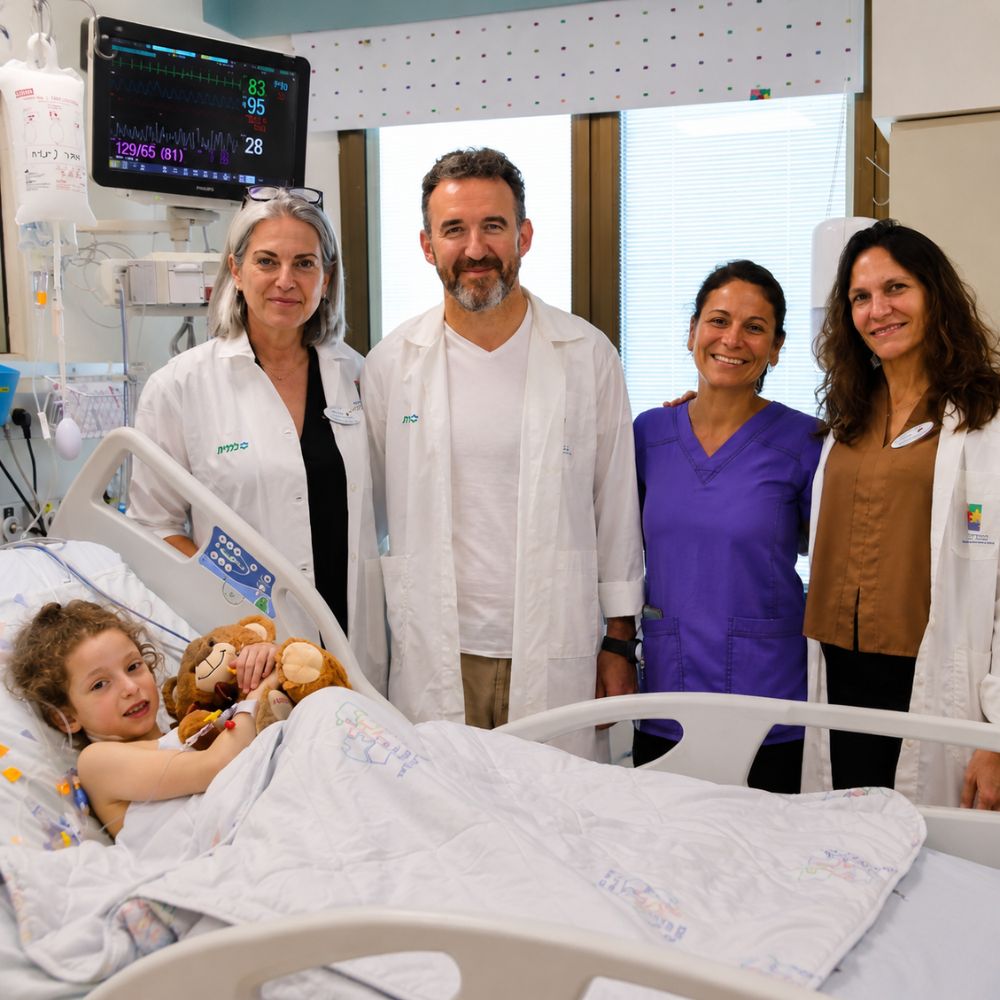

PETAH TIKVA, Israel – Seven-and-a-half-year-old Bel Finkelstein has returned home after receiving a lifesaving liver transplant made possible by the family of Capt. Shahar Gamla, an IDF officer who died after being critically wounded in a Hezbollah explosive drone attack in southern Lebanon.
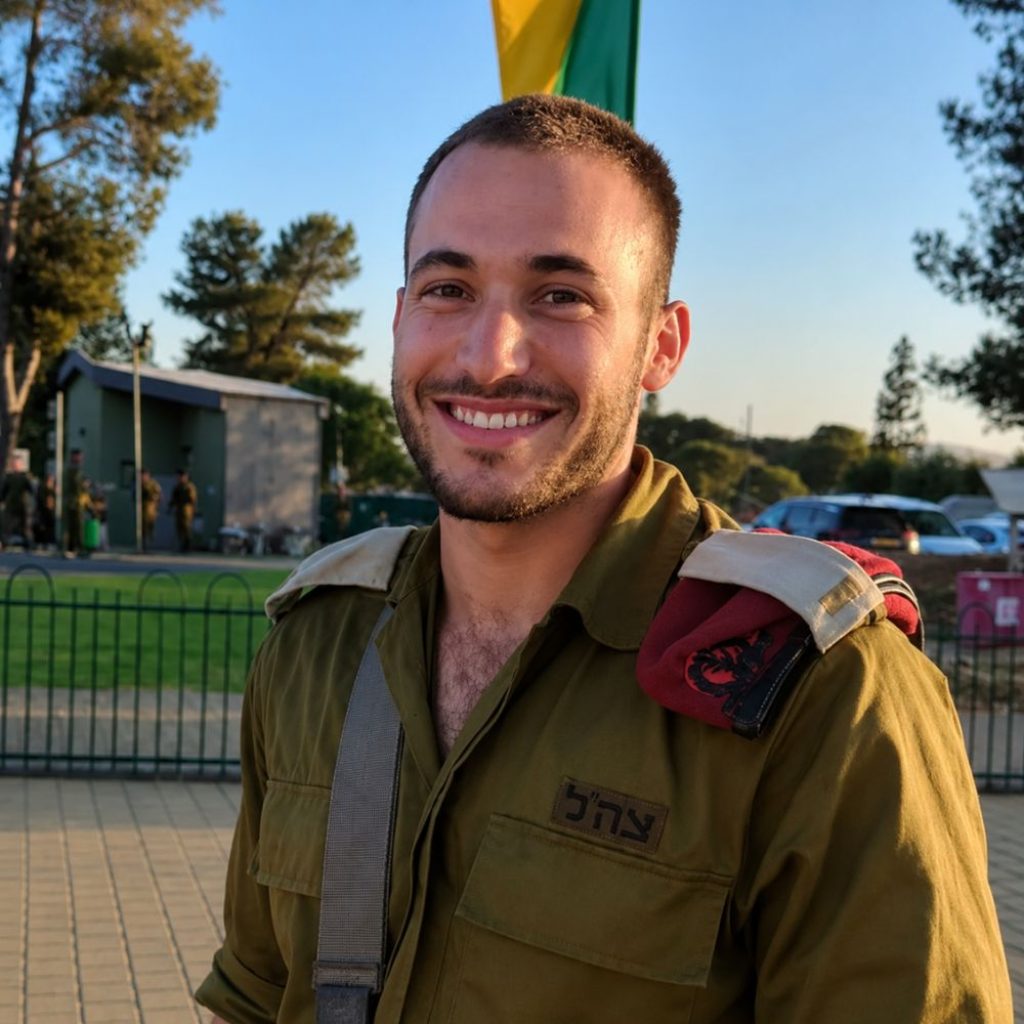
Gamla, 23, died on June 6 after being wounded in the June 4 attack. Following his death, his family agreed to donate his organs, a decision that resulted in six patients receiving transplants at several Israeli hospitals. The Israel National Transplant Center previously confirmed the recipients included a seven-year-old girl who received a liver lobe at Schneider Children’s Medical Center.
Bel, from Rishon LeZion, was born with a rare genetic congenital syndrome and had spent about six months waiting for an organ transplant, according to information released by Clalit-Schneider Children’s Medical Center.
Her transplant required coordination between medical teams at two hospitals.
The procedure began at Rambam Health Care Campus in Haifa, where Gamla had been treated after being critically wounded. A portion of his liver was recovered there and transported under transplant protocols to Schneider Children’s Medical Center in Petah Tikva.
A multidisciplinary team at Schneider then performed the hours-long transplant.
Following the operation, Bel was treated in the hospital’s Pediatric Intensive Care Unit before being transferred to Pediatric Department C to continue her recovery.
She has since been discharged home.
Six Lives Saved
Gamla’s organ donation extended far beyond Bel.
According to the Israel National Transplant Center, his heart was transplanted into a 54-year-old man at Rabin Medical Center-Beilinson Campus, while his lungs went to a 47-year-old man at the same hospital.
His liver was transplanted into a 69-year-old man at Ichilov Hospital in Tel Aviv, while the liver lobe was transplanted into Bel at Schneider. His kidneys were transplanted into a 37-year-old man and a 72-year-old woman at Beilinson.
Gamla’s skin was also donated to Israel’s National Skin Bank to treat burn victims. His corneas were donated for transplantation.
His mother, Leah, described the family’s decision shortly after the transplants.
“There is nothing greater than organ donation; it lets Shahar live on in other people,” she said, according to the National Transplant Center. “With joy and great love.”
Donor Family Meets Bel
The story took another emotional turn before Bel left Schneider.
Gamla’s family visited the young recipient and her parents at the hospital, bringing together the family mourning the death of their son with the family whose daughter was alive because of their decision to donate.
Medical staff who had cared for Bel also attended the meeting.
Yana, Bel’s mother, said she struggled to find words adequate to express the family’s gratitude.
“I have no words to adequately thank Shahar’s precious parents, who, from the absolute depths of their bereavement, chose to grant life to my daughter,” she said in a statement released by the hospital.
“It is such a noble, extraordinary act. I also want to express my deepest gratitude to the dedicated team at Clalit-Schneider, who wrapped us in care and looked after us relentlessly throughout this entire journey.”
‘Saved Lives Both in His Duty and in His Passing’
Dr. Michael Gurevich, head of the Liver Transplantation Unit at Schneider Children’s Medical Center, said the circumstances surrounding such an operation carried an emotional weight even for the medical professionals performing it.
“This is an extraordinarily complex and difficult emotional situation, even for us in the operating room,” Gurevich said. “It is hard to put into words the thoughts and feelings during an event like this.”
Gurevich thanked Gamla’s family for agreeing to the donation.
“The realization that this soldier saved lives both in his duty and in his passing weighs heavily on our hearts,” he said. “We are deeply thankful for the privilege granted to us to save human lives.”
Gamla’s story has drawn attention in Israel since the transplants were first announced in June. His family’s decision meant patients ranging in age from seven to 72 received organs following his death.
For Bel and her family, the consequences of that decision are now tangible. After months on the transplant waiting list, an intensive operation and weeks of hospital care, the seven-year-old has gone home with part of the fallen officer’s liver functioning inside her.
For Gamla’s family, the donation fulfilled the sentiment expressed by his mother following his death: that even after losing their son, parts of him could continue giving life to others.

